Planning guide
Outdoor wedding ceremony sound in Michigan
Wind, power, distance, beaches, tents and the rain plan. What to think about so every guest hears your vows and your processional.
By Menzo WeddingsUpdated October 2026 · 9 min read
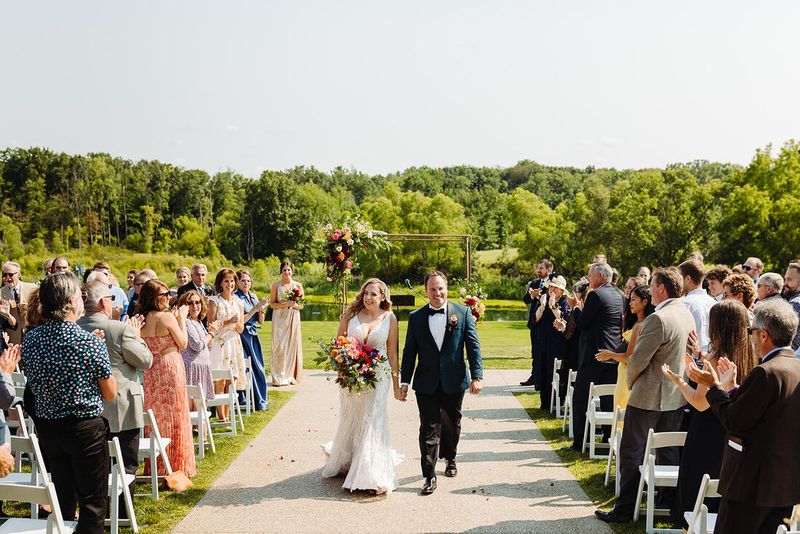
Genna & Frank, The Oakley. Photograph: Kayla Bouren Photography
Key takeaways
- 01Plan a microphone for the vows
Outdoors, sound has nothing to bounce off, and the words are the first thing lost.
- 02Find the power early
Ask exactly where the nearest outlet is, what else is on the circuit, and whether a generator is allowed.
- 03Agree the rain call
Settle the backup space and a deadline for the call, so the music moves with the chairs.
Outdoors, sound has nothing to bounce off, so it fades fast with distance and wind carries it away. Plan a microphone for the vows, find out exactly where the power is, keep the music close to your guests, and agree a rain plan and a rain-call deadline with your venue before the day.
An outdoor ceremony is one of the best things about a Michigan summer. A lawn under old trees, a pond at the bottom of a hill, a dock on Little Traverse Bay. It's also the part of the day where sound goes wrong most often, because nobody thought about it until the officiant started speaking and the back three rows couldn't hear.
Menzo Weddings provides wedding DJ and MC services across Michigan, with live ceremony music as an add-on. Founder Dave Menzo has been performing live since 2001 and has played Michigan weddings for more than a decade, including a 2016 ceremony overlooking Lake Michigan. In 2021 he was nominated for Outstanding Live Sound Tech at the Detroit Music Awards. This guide is general planning advice for any outdoor ceremony, whoever provides your music. The specific setup for your site is something to go through with your musicians and venue together.
Why is outdoor ceremony sound different?
Indoors, walls and ceilings reflect sound back toward the audience, so a voice or a guitar fills the room. Outdoors, almost nothing comes back. Sound spreads out from its source and keeps going. In open air, every time you double the distance from the source, the level drops by about six decibels, which is a clearly noticeable step. A voice that's comfortable at the front row is faint by the tenth.
At the same time, outdoor sites are noisier than they look. Wind in leaves, waves, a road behind the trees, a boat engine, the caterer setting up nearby. None of it seems loud until it's competing with someone saying "I do" in a quiet voice. Add the fact that your officiant is usually facing the two of you, with their back to half the guests, and you can see why the words are the first thing lost.
Do we need a sound system for an outdoor ceremony?
For the vows, almost certainly, unless you're marrying in front of a few dozen people in a sheltered spot. Guests travel a long way to hear those few minutes. A microphone for the officiant, and one for any readers, is the single most important piece of ceremony sound.
For the music, it depends on what's playing and how many people are listening. A solo acoustic guitar or a voice is lovely up close and fades quickly across a lawn. Recorded music always needs a speaker. Either way, the aim isn't to make the ceremony loud. It's to make it even, so the back row hears roughly what the front row hears.
How do you handle wind?
Wind is the most common outdoor sound problem, and it causes two different kinds of trouble.
Wind noise on microphones
Wind blowing across a microphone makes a low rumble that drowns out speech. The fixes are simple: a windscreen over the mic, from a foam cover up to the furry covers used for outdoor filming, and careful placement. A clip-on mic tucked slightly under a lapel, out of the direct breeze, often sounds better than one in the open. A handheld held close to the mouth picks up more voice and less wind.
Wind carrying sound away
A steady breeze can push sound away from your guests, and gusts make it come and go. Keeping speakers close to the seating and aimed at the guests, rather than far away and turned up, helps the most. On a windy site, more small sources close in usually beat one loud source far away.
Lakeside wind
On warm afternoons along the Great Lakes, a breeze often comes in off the water. If your ceremony site faces a lake, expect some wind even on a calm-looking day. Bluffs and open docks tend to catch more of it than a sheltered garden. Ask your venue how the wind usually behaves at your ceremony time; they'll have watched it for years.
Where does the power come from?
Most ceremony sound needs electricity, and outdoor sites are often a long way from an outlet. Ask your venue these questions early.
- Where is the nearest outlet to the ceremony site, and is it outdoor-rated and protected?
- How far is it, and what path would a cable take? Cables across an aisle or a walkway need to be covered so nobody trips.
- Is the circuit shared? Caterers' coffee urns and warming equipment on the same circuit can trip a breaker at the worst moment.
- If there's no power, is a generator allowed? Generators make noise. A quieter inverter-type generator, placed well away from the guests and downwind, is the usual answer.
How do distance and layout affect sound?
Big Michigan properties give you lots of choice about where to marry. Before you fall in love with the spot at the far end of the field, think about how sound and people get there.
- Where the musician sits. For live ceremony music, the musician needs to see the start of the aisle. That's how a processional ends exactly as you reach the front, rather than mid-phrase. Usually that means sitting near the front, off to one side, with a clear line back to where the wedding party appears.
- Where the speakers go. Speakers near the front, angled across the seating, keep the sound even without blasting the front row. For a long or wide layout, a second speaker partway back can help. Ask your sound provider how they'd cover your guest count.
- The walk between spaces. If cocktail hour is in a different spot, someone has to move or duplicate the music while guests walk across. Plan who plays while you're signing papers and taking family photos.
How do heat and sun affect live music?
Acoustic instruments are made of wood and strings, and both move with temperature. A guitar sitting in full sun warms up and drifts out of tune; a cold evening pulls it the other way. Electronic gear doesn't like direct sun either. A shaded spot for the musician, out of the afternoon sun, keeps the instrument stable and the music in tune through the processional.
Your guests feel the heat too. On a June afternoon at 4:00, a lawn with no shade is hard work for older relatives in their best clothes. Ask your venue where the shade falls at your ceremony time.
What about a beach or lakeside ceremony?
Michigan has more freshwater shoreline than any other state, and a ceremony with a lake behind you is hard to beat. It also combines most of the challenges in this guide.
- Permits and sound rules. If the beach is public, check with whoever manages it, whether that's a city, a township or the state, about permits for an organised event and whether amplified sound is allowed.
- Sand. Chairs, stands and speakers sink and tilt on sand. A firm base, like boards or a small platform, keeps everything level.
- Waves. Gentle waves are a lovely background and a steady noise floor. On a choppy day they can swallow a quiet voice, so the vows need a microphone.
- Sun on the water. Glare off a lake makes the light harsh for guests facing it, and very hot for anyone sitting in it.
- Sunset. Along Lake Michigan's eastern shore the sun sets over the water. If that's the picture you want, our Michigan wedding timeline guide has sunset times by month.
What about tents and the rain plan?
Tents
A tent is the most common Michigan answer to the weather, and it changes the sound for the better in most ways. The roof and sidewalls stop some sound escaping, so voices and music carry more evenly than in open air.
- Sidewalls. Ask whether they're included and who decides when they go up. They block wind and rain, and they also hold in heat.
- Rain on the roof. A heavy shower on a tent roof is loud. If it rains during the ceremony, the microphone matters more, not less.
- Fans and heaters. Both make noise. Place them away from the officiant and the musician where you can.
- Power at the tent. The same questions as any outdoor site: where, how far, what else is on the circuit.
- Layout. Tent poles decide where things can go. Look at the tent plan to see where the ceremony, the music and, later, the dance floor will sit.
A tent at the ceremony site and another at the reception is common at Michigan farm and lake venues. If you're using one tent for both, plan the room flip: what happens to the chairs, and where guests go while it happens.
The rain plan
Every outdoor ceremony needs one, and the music should move with it. Settle these with your venue and planner before the day.
- Where is the backup space? A barn, a ballroom, a covered porch, a tent. Walk it when you visit, and picture the aisle and where the musician would sit.
- Who makes the call, and by when? Agree a deadline that gives everyone time to move chairs and sound before guests arrive. A call made as guests walk in is a call made too late.
- How does everyone hear about it? One message from your planner or coordinator to every vendor at once.
- What about light showers? Decide in advance whether you'd go ahead under umbrellas. Electrical gear can't sit in the rain, so the musician and sound need cover even if guests are happy to get a little wet.
What should we ask our venue and musician?
Ask your venue
- Where exactly is the ceremony site, and how far is it from power?
- Is a generator allowed, and is there a sound limit or quiet hour outdoors?
- How does the wind usually behave there at our ceremony time?
- Where is the shade at that hour?
- What's the rain plan, who makes the call, and by when?
- Where have other couples put their musicians at this spot?
Ask your musician or sound provider
- What microphones will the officiant and readers have, and are they wireless?
- What do you use for wind?
- What power do you need, and can you run on battery?
- How will you cover our guest count and layout?
- Where will you sit, and can you see the start of the aisle from there?
- What happens if we move to the rain location, and how much notice do you need?
- What's your backup if a piece of equipment fails?
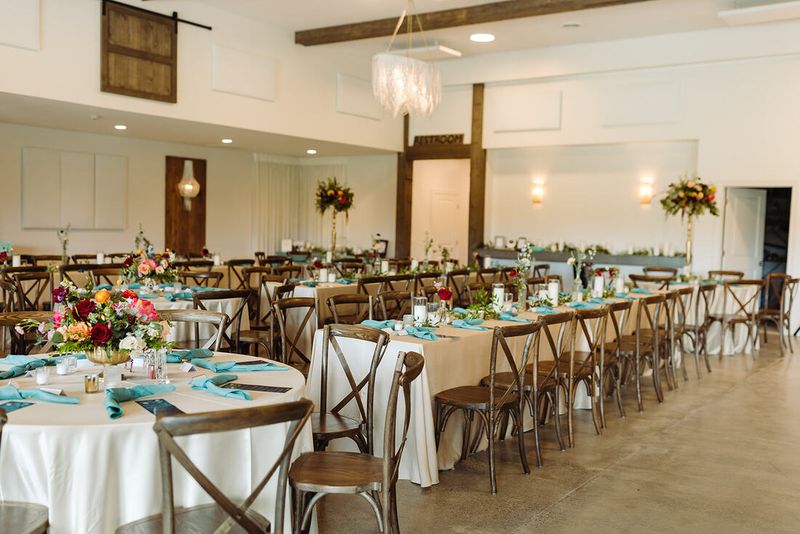
Outdoor ceremonies across Michigan
Every region has its own outdoor settings. Farm venues around Ann Arbor, like Revel Run in Chelsea with its lawns and pond, give you space and long walks between spots. Garden venues like Everlastings in the Wildwood in Owosso, near Lansing, mix greenhouses with open gardens. West Michigan has the Lake Michigan shore, and the north has bays, bluffs and docks. Up north in June, the sun doesn't set until after 9 pm, so an evening ceremony can still be in full daylight.
Live ceremony music from Menzo Weddings, on acoustic guitar and vocals or piano, is added to your DJ and MC booking. The setup depends on your site, so we go through it with each couple rather than list it here. Find song ideas in the acoustic ceremony songs guide, or tell us about your site through Check your date.
Pairs well with
Ceremony music, added to your DJ booking
Add-on
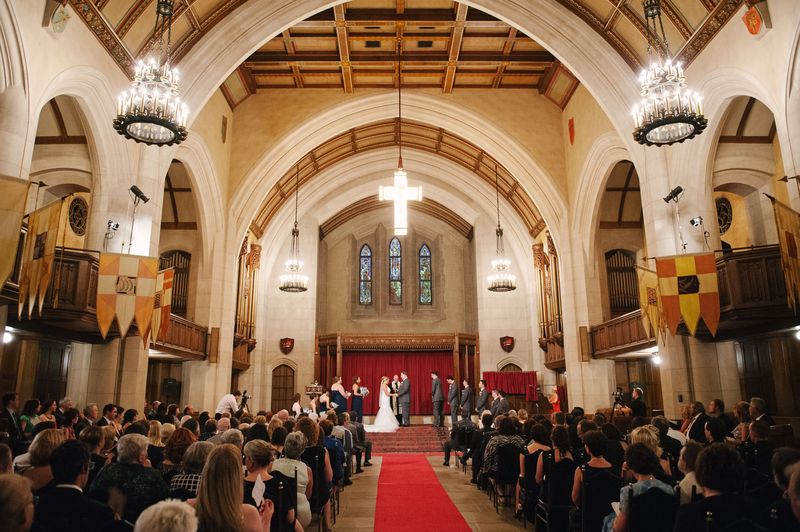
Live ceremony music
Guitar and vocals, or piano, for the prelude, the processional and the walk back up the aisle.
Learn more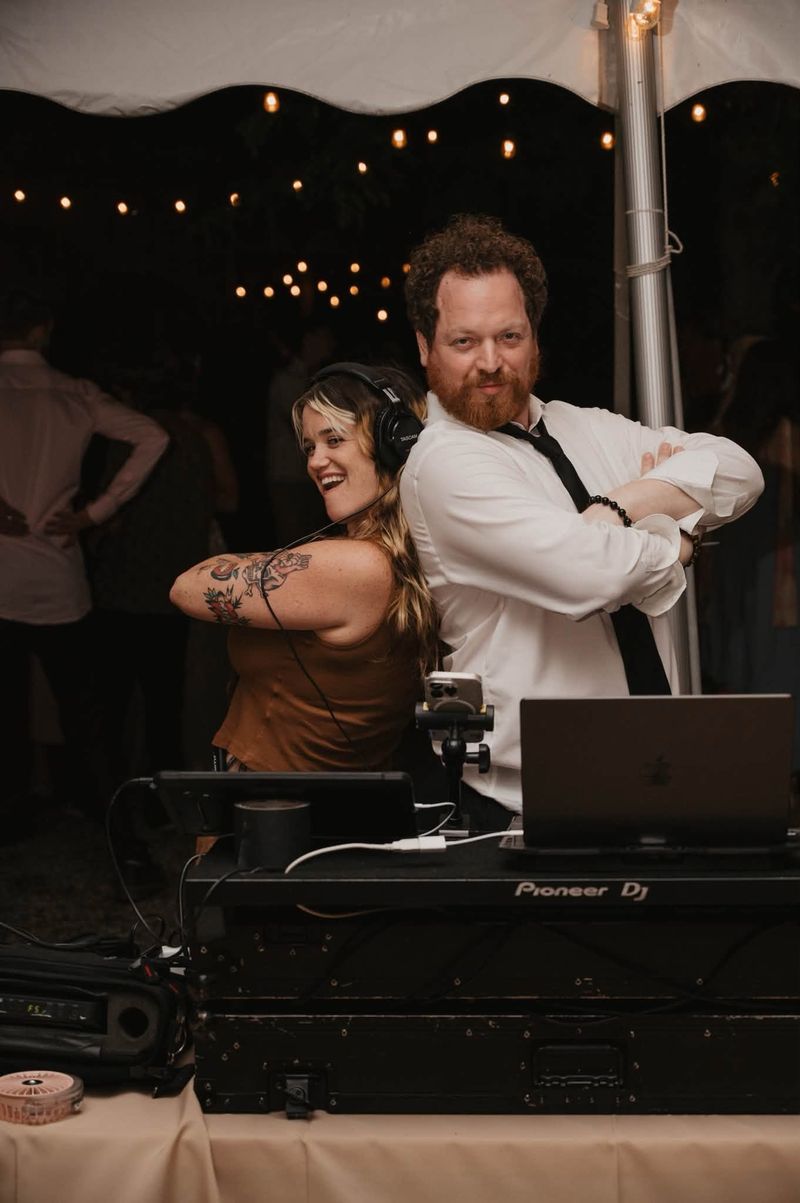
Start here
Wedding DJ and MC
Your reception, planned with you song by song, and an MC who keeps the night on time.
Learn more
Add-on
Cocktail hour
A live acoustic set while your guests mingle and you take your portraits.
Learn moreCommon questions
Do we need a microphone for an outdoor wedding ceremony?
For the vows, almost always, unless the ceremony is very small and sheltered. Outdoors there are no walls to carry sound back to guests, and your officiant is usually facing you, not them. A microphone means the back rows hear the words, not just the applause.
How do you stop wind noise on ceremony microphones?
Windscreens help, from simple foam covers to the furry covers used for outdoor filming. Placement helps too: a clip-on mic tucked out of the wind, or a handheld held close to the mouth. Ask your musician or sound provider what they use for wind and test it on site if you can.
What if there's no power at our ceremony site?
Ask your venue first; many outdoor sites have outlets nearby that couples don't know about. Otherwise the options are a long, safely covered cable run, a quiet generator placed well away from guests, or battery-powered sound. Ask your musician which they can work with.
Can you have live music at a beach wedding in Michigan?
Yes, with some planning. Check with whoever manages the beach whether you need a permit and whether amplified sound is allowed. Then plan for wind, sand underfoot, the sound of the waves and the sun on the instruments.
When should we make the rain call?
Agree a deadline with your venue and planner in advance, early enough for chairs, sound and musicians to move to the backup space before guests arrive. Whoever makes the call should tell every vendor at once.
Is sound better in a tent than outdoors?
Usually, yes. A tent's roof and sidewalls stop some sound escaping, so it's easier to hear the officiant and the music. Rain on a tent roof can be loud, though, so a ceremony under canvas in a downpour still needs a microphone.
Check your date
Is your date still open?
Tell us when and where. Dave replies personally.