Planning guide
First dance songs played live
What changes when your first dance is sung for you, which songs translate, and how to choose between live and the recording you fell in love to.
By Menzo WeddingsUpdated October 2026 · 8 min read
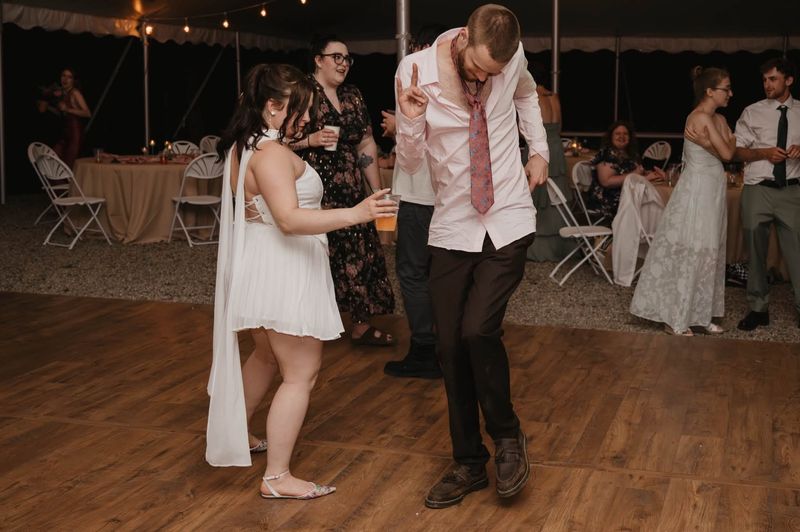
Heather & Tyler, Everlastings in the Wildwood. Photograph: Simply Shalyn
Key takeaways
- 01Live follows the two of you
A live first dance can stretch a chorus or find its ending when you're ready. A recording can't see you.
- 02Melody-led songs translate
Songs built on a clear melody and simple chords work beautifully live. Songs defined by production are better as recordings.
- 03Live and DJ in one booking
With DJ plus live music, your first dance can be played live and the DJ set carries straight on, with no gap.
A live first dance feels personal and can follow you, while the recording gives you the exact sound you love. Songs built on melody and simple chords, like "Can't Help Falling in Love", "Make You Feel My Love" or "Perfect", work beautifully live. Songs defined by their production or a beat drop are better as recordings.
The first dance is the moment when the whole room is watching just the two of you. It's also the moment where live music changes the most. A song you've heard a thousand times through earbuds sounds different when someone is singing it ten feet away, to you, for the first time in that exact way.
At Menzo Weddings, couples can have their first dance sung live, or played from the original recording, edited to the length they want. Founder Dave Menzo sings, plays guitar and piano, and DJs, and has played Michigan weddings for more than a decade. This guide is how we'd help you choose between the two, and how to pick a song that works if you go live.
What's the difference between a live and a recorded first dance?
| Played live | The recording | |
|---|---|---|
| Sound | Stripped back: voice with guitar or piano | The full production you know |
| Feel | Intimate; the room goes quiet to listen | Familiar; guests recognise it from the first notes |
| Length | Shaped to the moment | Edited in advance to the length you want |
| Tempo | Can breathe, and can follow the two of you | Fixed, which suits choreography |
| Key | Can be changed to suit the singer | The original singer's voice |
| Best for | Melody-led songs and couples who want a moment that only happens once | Songs defined by production, and choreographed dances |
Why do couples choose a live first dance?
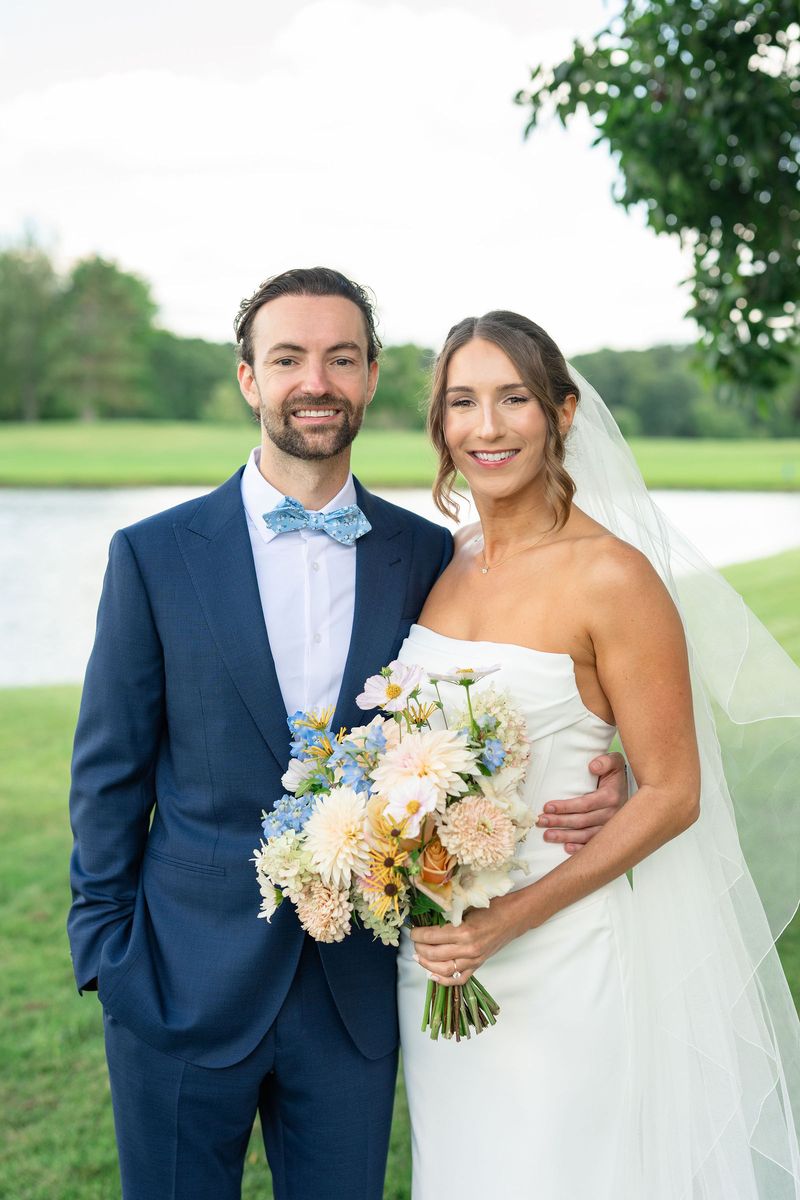
- It only happens once. A recording sounds the same at your wedding as it does in the car. A live performance is that song, that night, for the two of you. That's the reason most couples give.
- It follows you. A live musician is watching you dance. If you're in the middle of something you don't want to end, the last chorus can come round again. If you're ready to bring everyone onto the floor, the song can find its ending.
- The room changes. When guests realise the song is being sung live, they stop talking and turn toward the floor. The photographs from those few minutes tend to show it: faces watching, not phones.
- The words come forward. Without drums and production, the lyrics carry more of the song. If you chose your song for what it says, live lets everyone hear it.
When is the recording the better choice?
- You've choreographed a routine. A routine learned to a recording needs that recording, beat for beat.
- The sound is the song. If what you love is a particular production, a synth line or a beat drop, a stripped-back version won't give you that.
- It's that exact voice. Some couples fell in love to one singer's voice and one take. Nothing else will do, and that's fine.
- It's a surprise. A slow song that turns into a medley or a dance-floor song usually works better with edited recordings.
How do you choose a song that works live?
Start with melody and words
Songs that work live are songs you could sing in the shower and still recognise: a clear melody, words that matter, and chords that hold up on one instrument. Ballads, singer-songwriter songs and classic standards almost always work. Songs that are mostly a beat and a hook usually don't.
Check the tempo
Put the song on and sway to it in your kitchen. Slow and steady is easy; very slow can feel endless when people are watching; anything quick starts to feel like open dancing. A live musician can ease the tempo a little either way.
Think about the voice
A song sung by a woman can be sung by a man, and the other way round, by changing the key. Some songs gain something that way. Ask to hear a short sample before you commit, so the first time you hear it isn't on the day.
Decide the length
Most first dances run about two and a half to three and a half minutes. Many songs are longer, and the bridge or the third verse is often the part to lose. Tell your musician which lines matter most, and they'll shape the song around them.
Listen to an acoustic version, and ask about lead time
Many popular songs have official acoustic or live versions. If you can find one, it's the quickest way to hear whether your song survives without its production. If your musician doesn't already play your song, they'll need time to learn and arrange it, so tell them early and ask how much notice they need.
What should we send our musician?
- The exact version. A link to the recording you mean, since many songs have several versions and covers.
- The lines that matter. The verse you want kept, the line you want sung to you, the part you'd happily lose.
- The length. Roughly how long you'd like to be on the floor alone, and whether guests join at the end.
- What comes next. Parent dances, open dancing or a pause for toasts, so the ending leads somewhere.
- Anything about the room. Lights down or up, a spotlight moment, a photographer who needs a cue.
First dance song ideas that work live
These are ideas to start from, chosen because they translate well to voice with guitar or piano. They aren't a set list, and they aren't a promise of what any musician plays. Choose the one that's yours.
Classics and standards
- Can't Help Falling in Love, Elvis Presley
- At Last, Etta James
- The Way You Look Tonight, Frank Sinatra
- Unchained Melody, The Righteous Brothers
- Something, The Beatles
- In My Life, The Beatles
- Wonderful Tonight, Eric Clapton
- Make You Feel My Love, Bob Dylan, or Adele's version
- La Vie en rose, Édith Piaf, or Louis Armstrong's version
Soul
- You Send Me, Sam Cooke
- Let's Stay Together, Al Green
- Lovely Day, Bill Withers
- Ain't Nothing Like the Real Thing, Marvin Gaye and Tammi Terrell
- Sweet Love, Anita Baker
For more Detroit soul, see Motown wedding songs.
Modern pop
- Perfect, Ed Sheeran
- Thinking Out Loud, Ed Sheeran
- All of Me, John Legend
- A Thousand Years, Christina Perri
- Lover, Taylor Swift
- Until I Found You, Stephen Sanchez
- Say You Won't Let Go, James Arthur
- Die with a Smile, Lady Gaga and Bruno Mars
Indie and folk
- First Day of My Life, Bright Eyes
- Bloom, The Paper Kites
- Such Great Heights, Iron and Wine's version
- Home, Edward Sharpe and the Magnetic Zeros
- Better Together, Jack Johnson
- Lucky, Jason Mraz and Colbie Caillat
- Yellow, Coldplay
- Harvest Moon, Neil Young
Country
- You're Still the One, Shania Twain
- Bless the Broken Road, Rascal Flatts
- Remember When, Alan Jackson
- Forever and Ever, Amen, Randy Travis
- I Cross My Heart, George Strait
- Wanted, Hunter Hayes
Songs that become something new live
Some songs you'd never think of as a first dance turn tender when they're slowed down and stripped back. Worth a listen if you want something nobody's heard at a wedding before.
- Sweet Child o' Mine, Guns N' Roses
- I Want to Hold Your Hand, The Beatles
- Heaven, Bryan Adams
- Iris, Goo Goo Dolls
Ceremony song ideas in the same styles are in the acoustic ceremony songs guide.
Should the parent dances be live too?
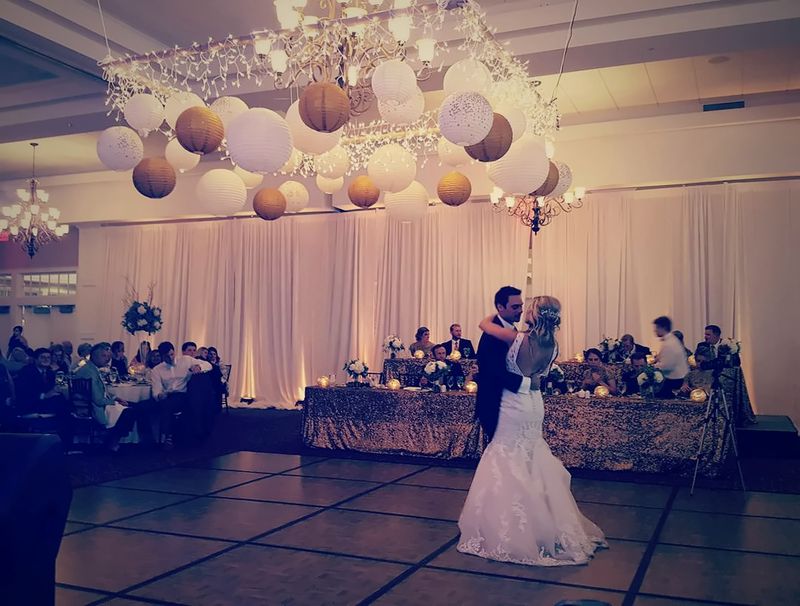
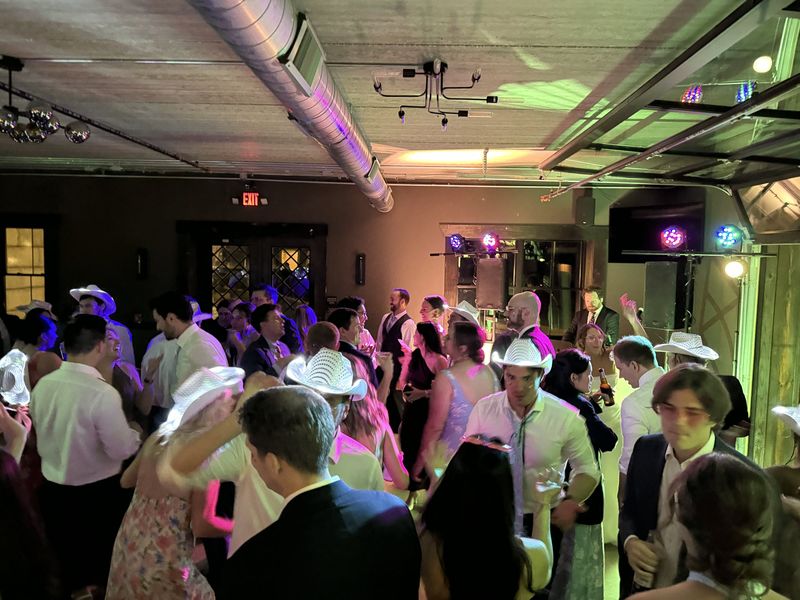
They can be, and for some families it means even more than the first dance. A father-daughter or mother-son dance sung live is often the moment the room goes quietest all night. The same questions apply: does the song rest on its melody, is the length right, and does the voice suit it.
A practical tip if you're doing both: change the feel between them. If your first dance is live and stripped back, a parent dance from the original recording gives the room a lift. If both are live, choose songs with different tempos, so the two moments don't blur into one.
How does a live first dance fit the night?
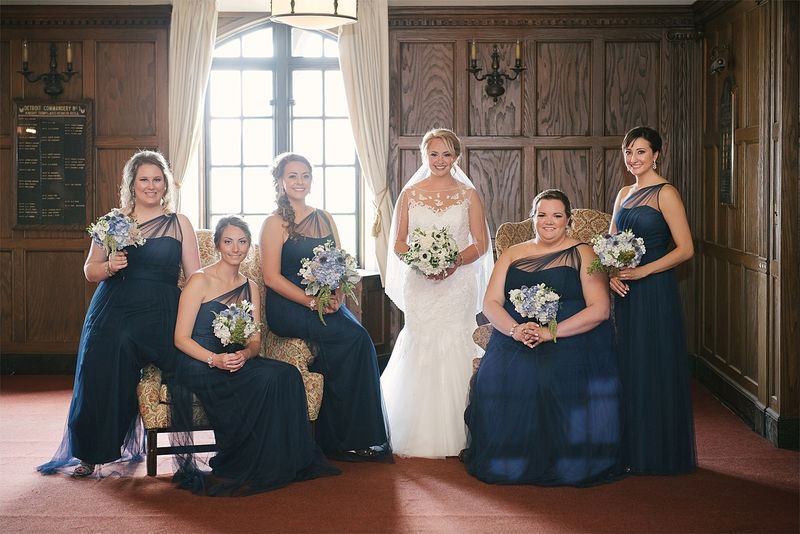
- Before. Your MC gathers the room and the photographer, and announces you. If the lights are going down, that's agreed in advance. The musician waits for you to reach the middle of the floor before the first note.
- During. The song is yours. If you want guests to join for the last chorus, decide that in advance, and your MC will invite them at the right moment.
- After. The moment the song ends matters as much as the song. Some couples go straight into parent dances; some go straight into open dancing with a song that brings everyone onto the floor. Plan the next song as carefully as the first. The MC guide lists the usual reception moments.
A live first dance inside a DJ night
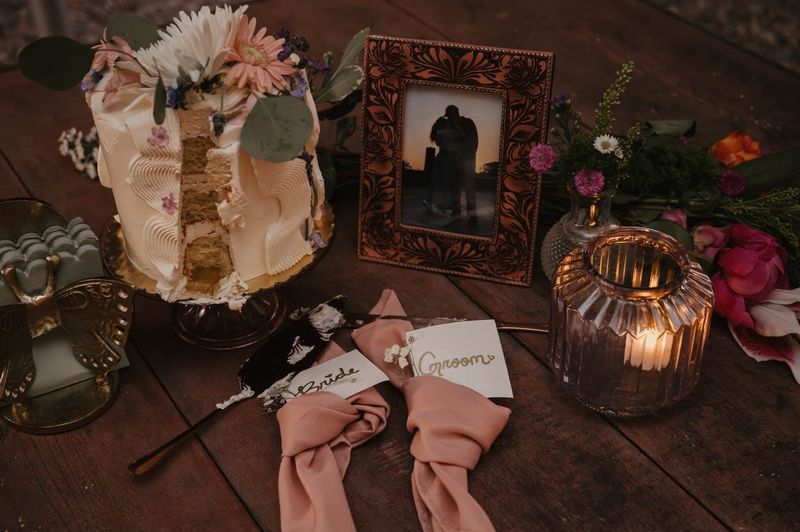
Couples often assume a live first dance means booking a band, or a second musician just for those three minutes. It doesn't have to. With DJ plus live music, a hybrid package built on the Wedding DJ and MC booking, live musicians play on top of the DJ set, in any combination of drums, guitar, sax and violin. For the first dance, that can be a single instrument, or guitar and voice, while the two of you dance. Then the DJ set carries on, with no gap.
If you add live ceremony music too, your first dance song can echo through the day: an instrumental version as you walk down the aisle, then sung in full that evening.
Pairs well with
Ways to have it live
Hybrid
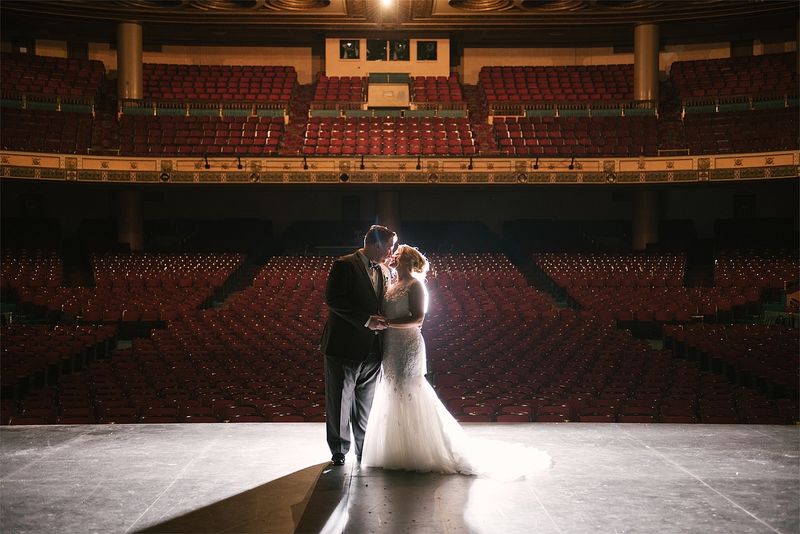
DJ plus live music
Live drums, guitar, sax or violin, in any combination, played on top of the DJ set.
Learn more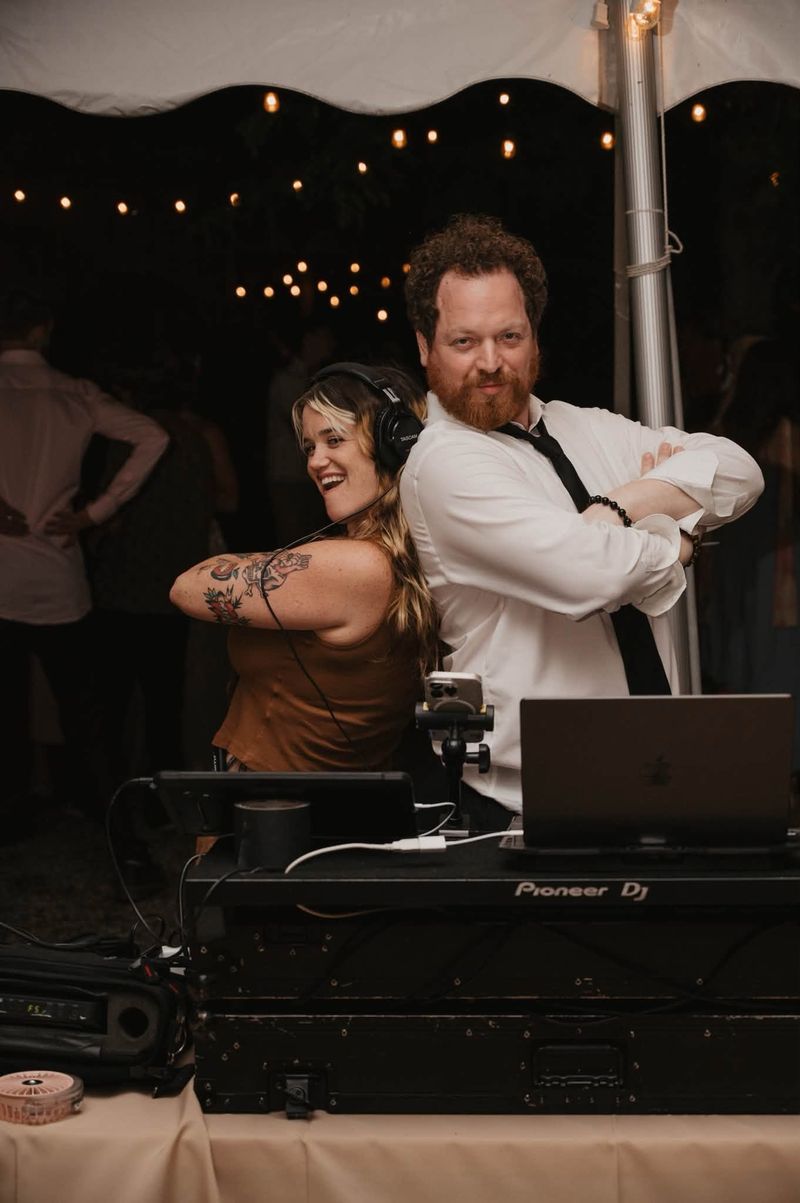
Start here
Wedding DJ and MC
Your reception, planned with you song by song, and an MC who keeps the night on time.
Learn more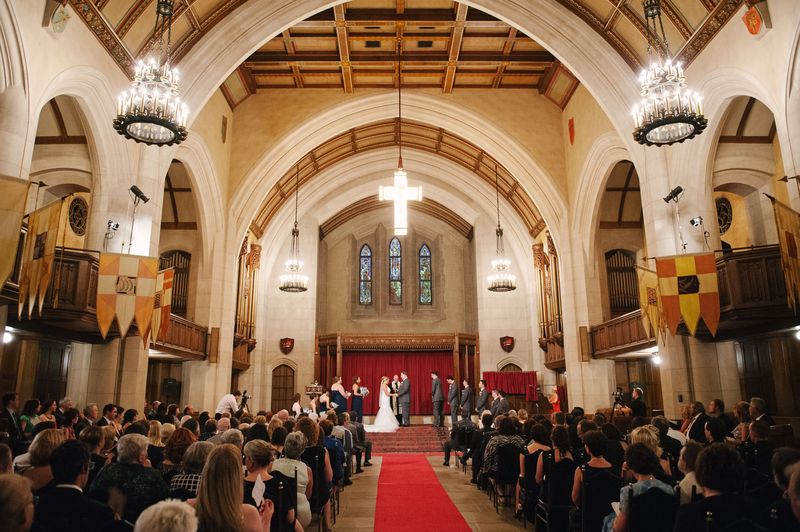
Add-on
Live ceremony music
Guitar and vocals, or piano, for the prelude, the processional and the walk back up the aisle.
Learn moreCommon questions
Is a live first dance better than a recorded one?
Neither is better for everyone. Live feels more personal and can follow the two of you; the recording gives you the exact version you love and a fixed length for choreography. If the song's sound is defined by its production, keep the recording. If it's defined by its melody and words, live is worth considering.
How long should a first dance be?
Most couples aim for about two and a half to three and a half minutes. That's long enough for photos and a moment together, and short enough that guests stay with you. A live version can be shaped to the length you want; a recording can be edited.
Can a male singer sing a song originally sung by a woman for our first dance?
Yes. A live musician can change the key so it sits in their voice, and many songs take on a new character that way. Ask to hear a short sample first so you know how it will sound.
Can we choreograph a dance to a live song?
You can, but it's harder, because a live performance won't match a recording beat for beat. If you're learning a choreographed routine, practise to a recording of the live arrangement, or keep the recording for the dance itself.
What are good acoustic first dance songs?
Songs built on a strong melody and simple chords: 'Can't Help Falling in Love', 'Make You Feel My Love', 'Perfect', 'First Day of My Life', 'You're Still the One' and 'At Last' all translate well to guitar and voice or piano.
Can our first dance song also be in the ceremony?
Yes. Some couples have an instrumental version as the processional and the full vocal version as the first dance, so the day has a theme running through it. Others prefer each moment to have its own song.
Check your date
Is your date still open?
Tell us when and where. Dave replies personally.